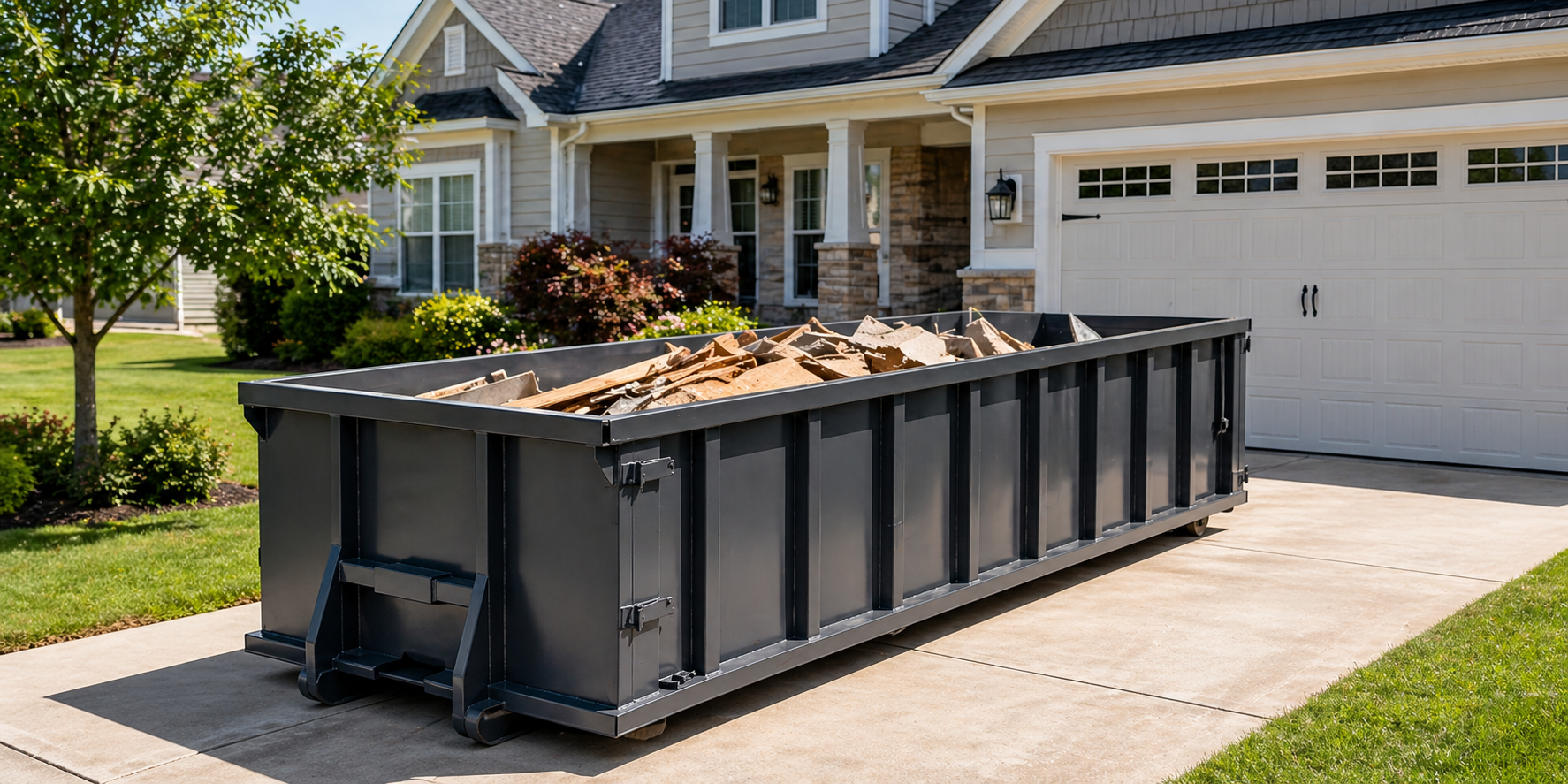
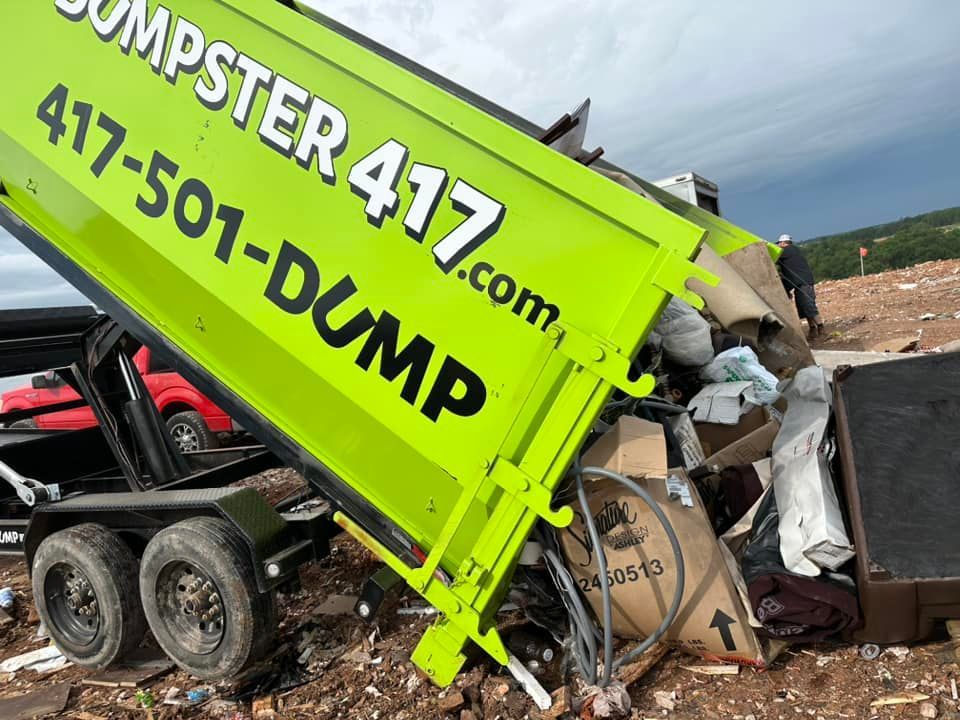
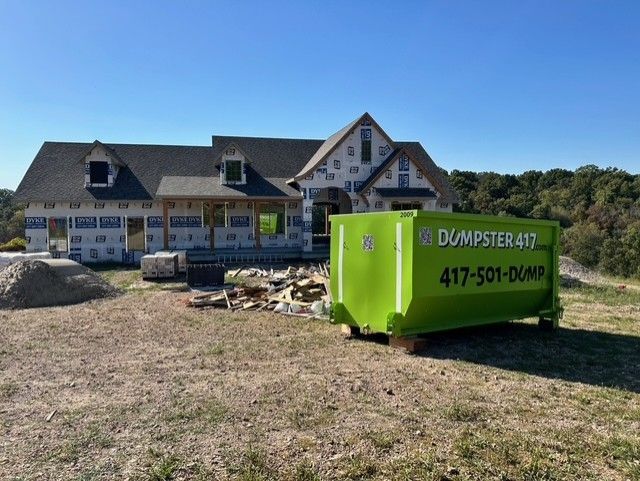
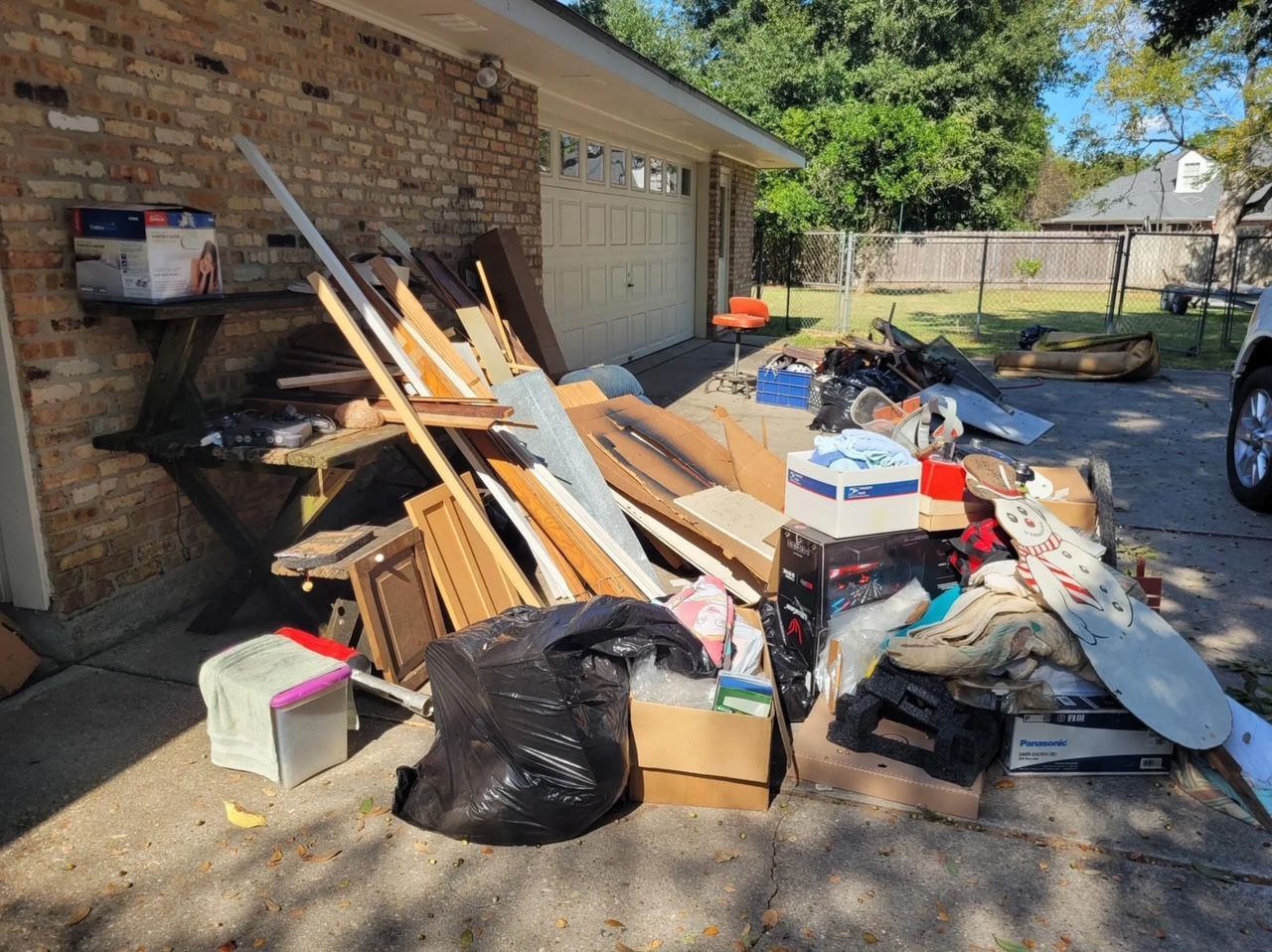
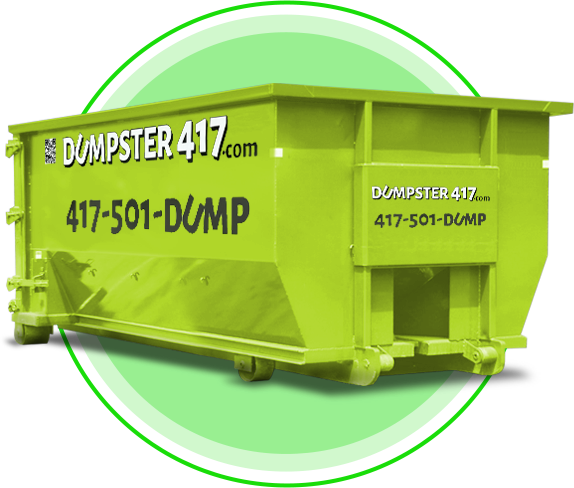
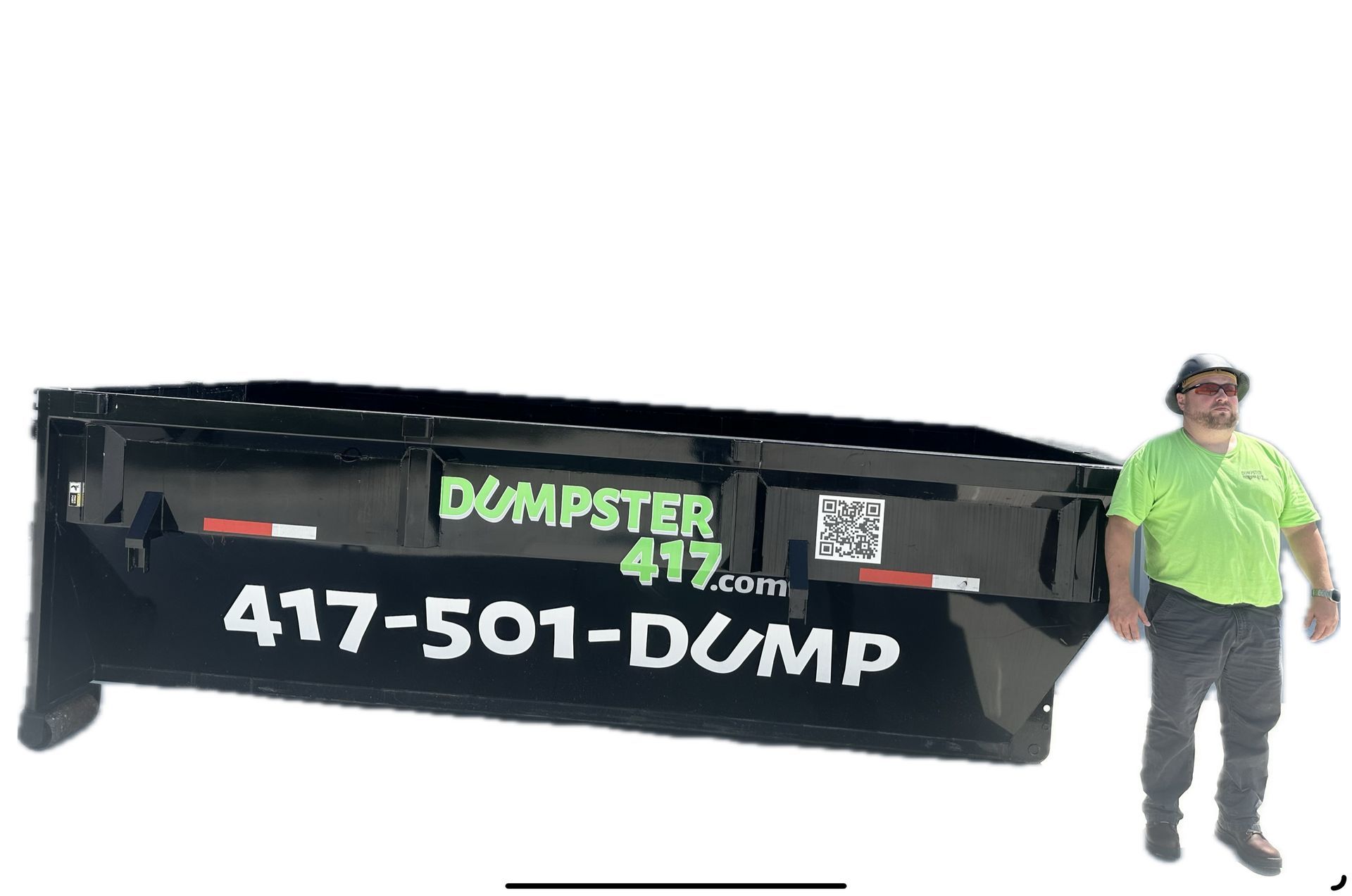
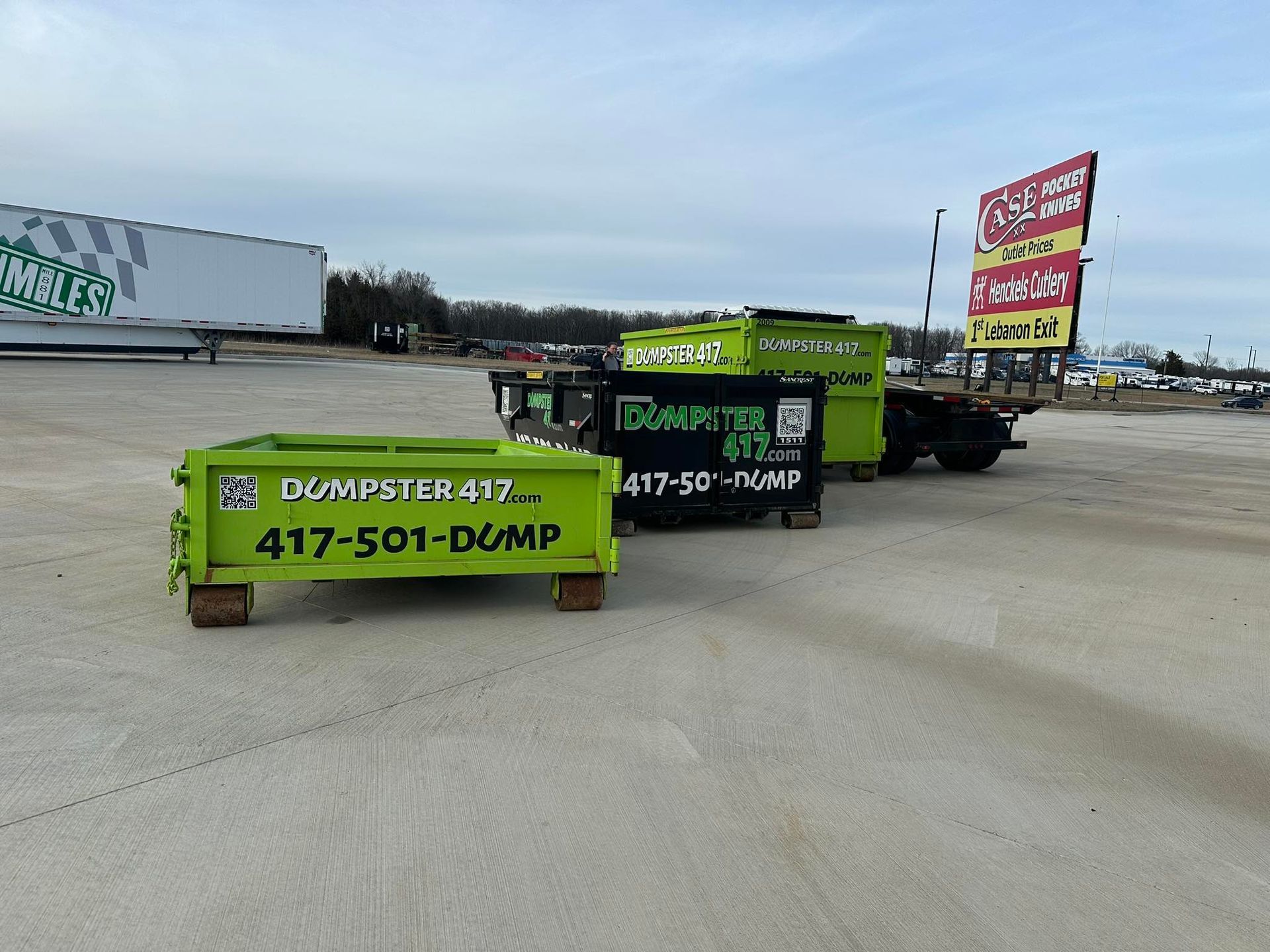
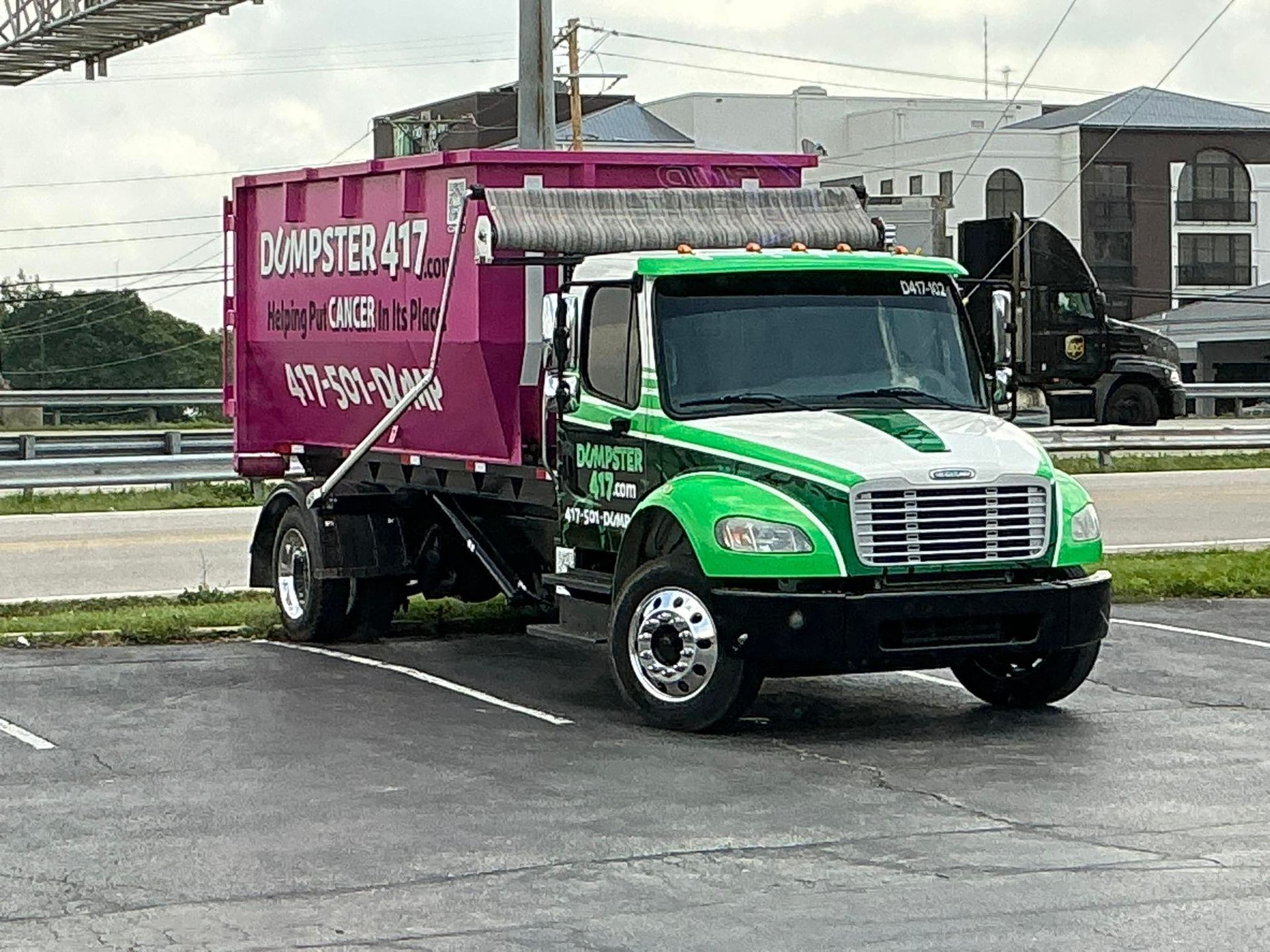
Selecting the right dumpster size is an important part of planning residential cleanup and renovation projects. Homeowners often underestimate how much debris a project will generate, which can lead to delays, overflow, or added stress once work is underway. Understanding how dumpster sizes align with different types of projects helps ensure smoother execution from start to finish.
Residential projects vary widely in scope, making size selection a key consideration.
Small Cleanouts and Organization Projects
Smaller projects such as garage cleanouts, attic organization, or decluttering a single room typically produce less debris but still require proper containment. Items like old furniture, boxes, and household materials can accumulate quickly once work begins.
Choosing a dumpster that accommodates these materials helps prevent repeated trips for disposal and keeps the property organized throughout the project.
Medium Sized Renovations
Bathroom remodels, kitchen updates, and flooring replacement projects often generate a mix of bulky and heavy debris. Drywall, cabinets, flooring materials, and fixtures require adequate space to be managed safely.
For these projects, selecting a dumpster with enough capacity allows debris to be removed as work progresses rather than piling up inside or around the home.
Larger Home Projects
Full home cleanouts, estate cleanups, and multi room renovations produce significantly more waste. These projects often involve furniture removal, demolition materials, and accumulated household items.
Planning for a larger dumpster size helps avoid overflow issues and ensures debris remains contained throughout the project timeline.
Roofing and Exterior Work
Roofing projects are another common residential use case. Shingles and underlayment materials are heavy and accumulate rapidly, making proper sizing especially important.
Choosing the right dumpster size for roofing debris helps maintain safety and efficiency while preventing damage to surrounding areas.
Property Layout and Placement Considerations
Driveway size, available space, and proximity to structures all influence which dumpster size works best for a given property. Homeowners should consider these factors when planning delivery and placement.
Selecting an appropriate size based on both debris volume and available space supports smoother logistics.
Avoiding Common Sizing Mistakes
One of the most common mistakes homeowners make is choosing a dumpster that is too small. This often leads to overflow or the need for additional hauls, which can disrupt project timelines.
Planning conservatively and accounting for unexpected debris helps prevent these issues and keeps projects on track.
Planning for Successful Residential Projects
Understanding how dumpster sizes align with different residential projects allows homeowners to plan more effectively. By choosing the right size from the start, projects move forward with fewer interruptions and less stress.
Knowing when to use
dumpster rental Springfield MO options helps homeowners manage debris efficiently while maintaining clean, organized properties throughout the project.