What Can You Put in a Dumpster? Accepted and Prohibited Items in Missouri
Most household junk, furniture, appliances, yard waste, and renovation debris can go into a Dumpster417 roll-off in Missouri. Concrete, brick, asphalt, and dirt are accepted only in the 6-yard dumpster because of weight limits. Hazardous waste, electronics, batteries, tires, automotive fluids, and asbestos-containing materials are prohibited in every container size. Confirming item eligibility before loading day keeps the final bill free of surprise fees.
Springfield and Southwest Missouri residents renting a roll-off dumpster often want to know exactly what can you put in a dumpster Missouri regulations allow before the container arrives on the driveway or job site. A dumpster rental removes the guesswork of hauling debris to the landfill directly, but it does not clear every material for disposal. Certain items are welcome in nearly unlimited quantity, others carry weight restrictions tied to the size of the container, and a short list is banned outright because of safety, environmental, or landfill regulations.
This guide breaks down what typically fits inside a Dumpster417 roll-off, what belongs only in the heavier-duty 6-yard container, and what needs a separate disposal path entirely. Homeowners tackling a garage cleanout, contractors managing a renovation site, and property managers coordinating a rental cleanout in Greene County will find category-by-category detail below, along with the weight considerations that keep a rental on budget and the local disposal options that exist for the handful of materials no roll-off can legally accept.
Generally Accepted Materials in a Roll-Off Dumpster
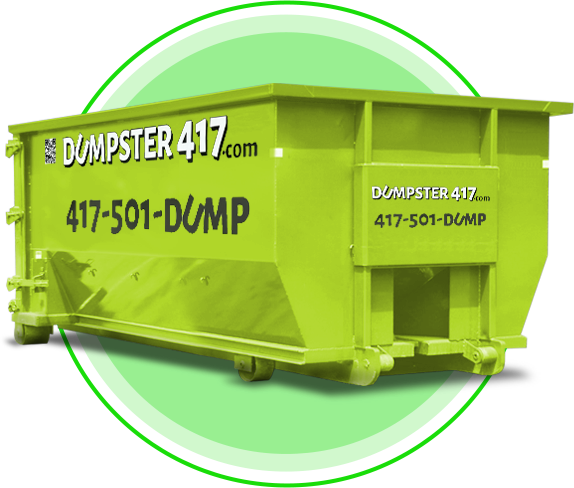
A standard Dumpster417 roll-off is built to handle the bulk of everyday residential and light commercial debris. The categories below cover the items that make up most rental loads, and understanding them ahead of time makes it easier to plan how many trips a project will take and which size container fits the job.
Household and General Waste
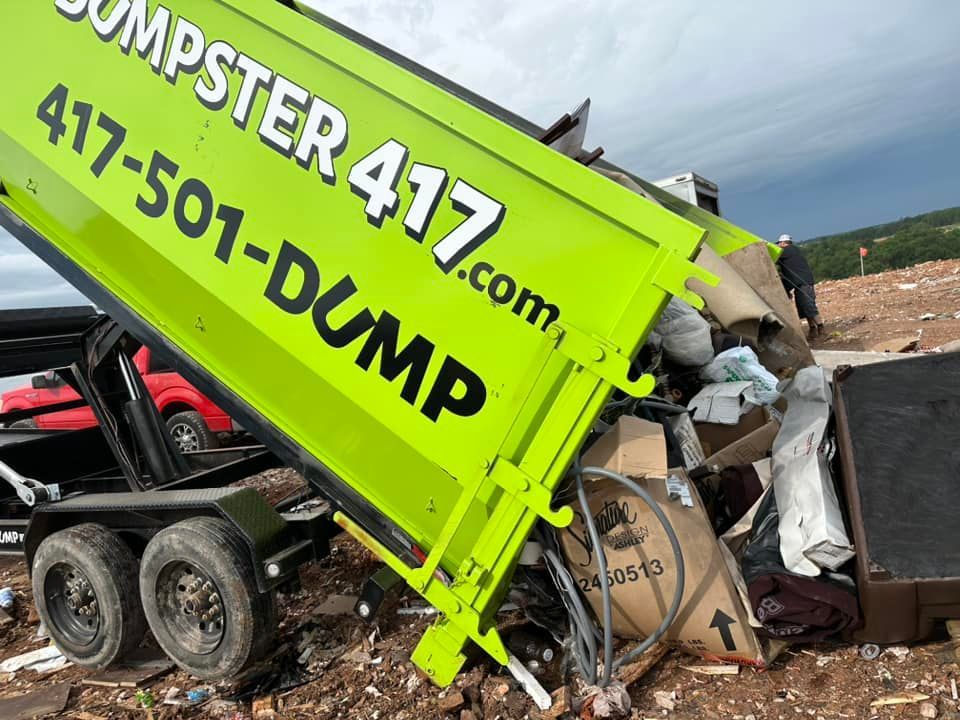
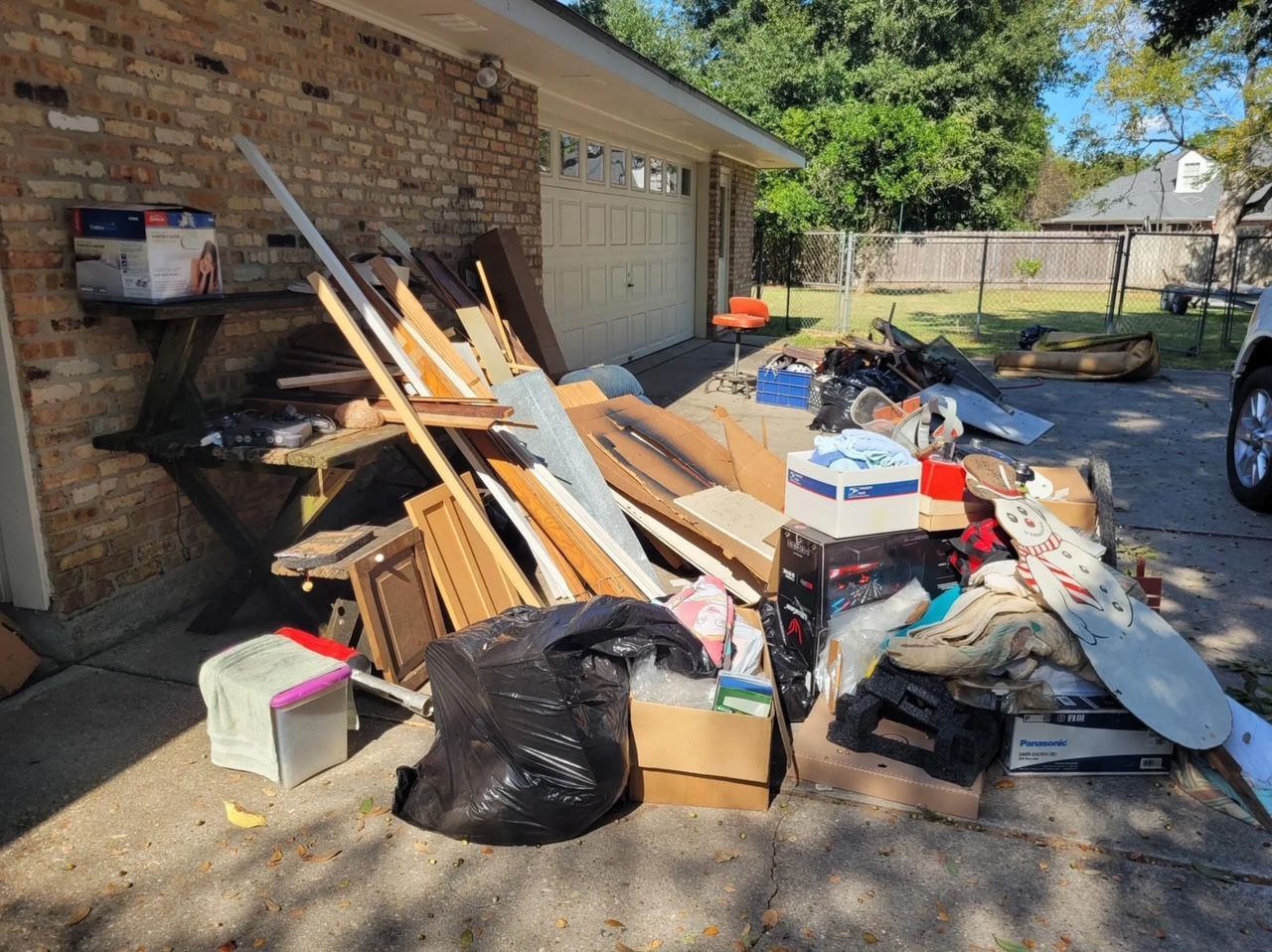
General household waste makes up the bulk of most residential dumpster loads. Old carpeting, broken shelving, non-hazardous packaging, clothing, toys, and general clutter from a garage or basement cleanout load without special handling. Boxes of paperwork, worn-out rugs, cracked plastic storage bins, and everyday trash left over from a move all fall into this category as well.
Bagging loose debris before loading keeps the container tidy and prevents lightweight items from blowing out during transport. Breaking down larger cardboard boxes and flattening bulky packaging also frees up space inside the container, which matters most on smaller cleanout projects where every cubic foot counts toward the final load.
Construction and Renovation Debris
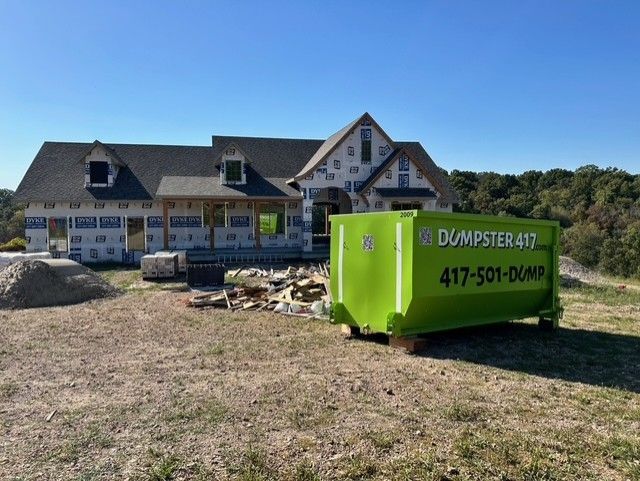
Renovation projects generate a steady stream of drywall, wood scraps, flooring, cabinetry, fixtures, siding, and non-hazardous building materials. A container built for that volume handles it in a single rental rather than multiple trips to a transfer station. Contractors managing larger jobs in Springfield often pair a roll-off with the full range of dumpster rental services available through Dumpster417 to keep a job site clear between phases.
Kitchen and bathroom remodels typically produce cabinetry, countertop scraps, tile, and fixtures in the same load, while a full interior demolition can add framing lumber, insulation, and window units. Sorting metal fixtures and wiring for scrap value before loading is optional but can offset part of the rental cost on larger renovation projects.
Exterior projects such as siding replacement, deck rebuilds, and gutter overhauls also fall into this category, provided the materials are free of hazardous coatings. A short conversation with Dumpster417 ahead of a large-scale demolition helps determine whether a single container will cover the entire project or whether a swap-out midway through the job makes more sense.
Furniture and Appliances
Couches, mattresses, dressers, bed frames, and other bulky furniture items are accepted in standard loads. Appliances such as stoves, dishwashers, and washers and dryers are also accepted, though refrigerators, freezers, and window air conditioning units containing refrigerant require the coolant to be professionally removed before disposal under federal guidelines. Confirming refrigerant removal ahead of pickup avoids a rejected load on delivery day.
Donating furniture and appliances still in working condition to a local charity or resale shop before renting a dumpster reduces the total volume that needs disposal and often benefits the community more than sending usable items straight to the landfill. Anything too worn or damaged for donation loads directly into the container without further preparation.
Yard Waste and Landscaping Materials
Branches, leaves, sod, small stumps, mulch, and general landscaping debris are accepted in most rental sizes. Fencing sections, old deck boards, and small amounts of soil from a landscaping refresh also fit into a standard load without issue.
Larger cleanup projects involving extensive tree removal or heavy root balls may call for the heavier-duty container described in the next section, since green waste retains water weight that adds up quickly, especially right after rainfall. Letting freshly cut branches dry out for a few days before loading reduces the overall weight of the load.
Accepted Items by Category
| Category | Examples | Notes |
|---|---|---|
| Household waste | Carpeting, packaging, clutter, clothing | Bag loose debris before loading |
| Construction debris | Drywall, wood, flooring, cabinetry | Non-hazardous materials only |
| Furniture | Couches, mattresses, dressers | No special handling required |
| Appliances | Stoves, dishwashers, washers, dryers | Refrigerant units need pre-removal |
| Yard waste | Branches, leaves, sod, small stumps | Water weight adds up quickly |
Heavy Materials: What the 6-Yard Dumpster Is Built For
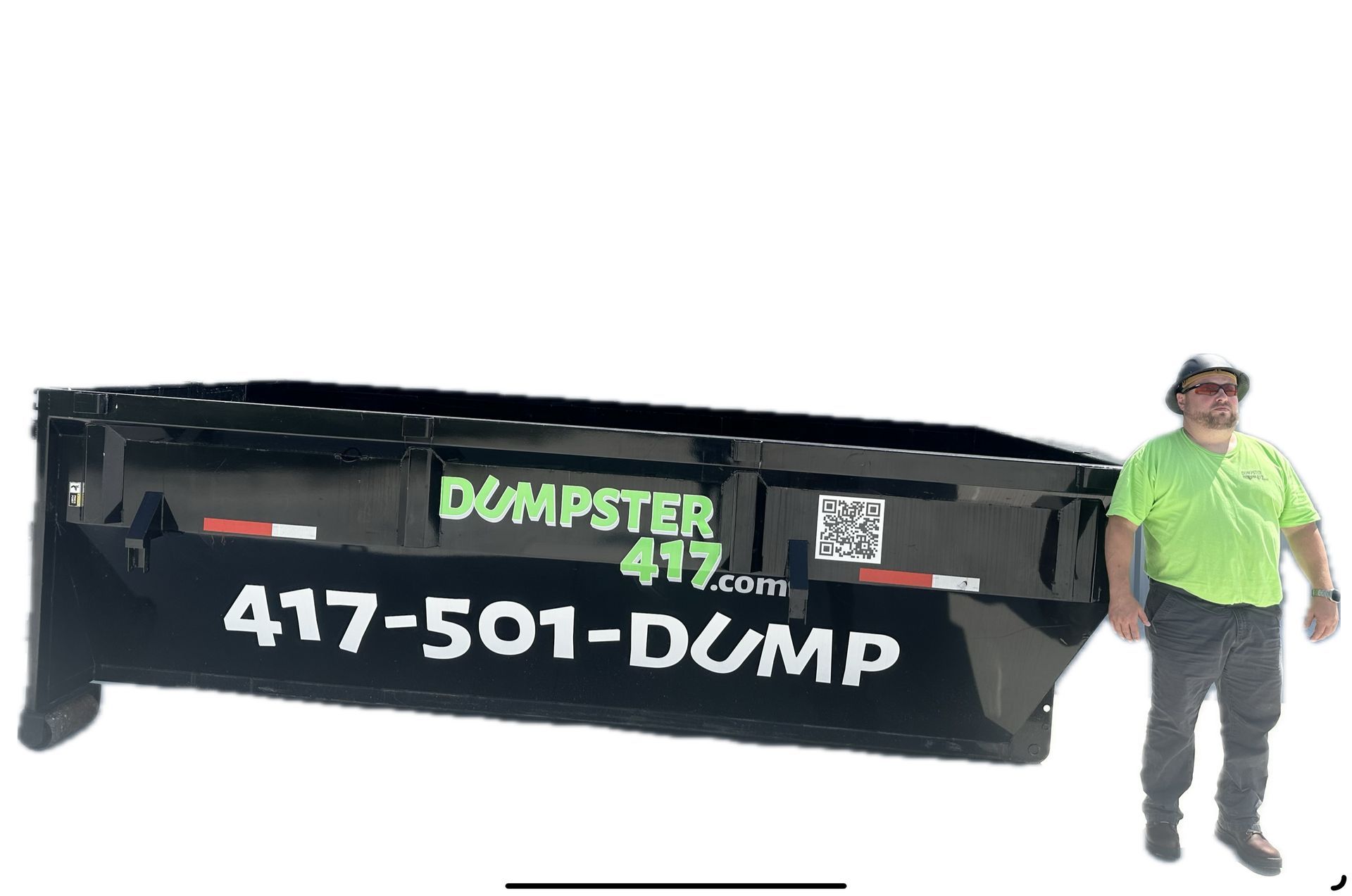
Concrete, brick, asphalt, and dirt are accepted, but only in the 6-yard dumpster for heavy materials, since these materials weigh far more per cubic foot than household debris. A standard-size roll-off filled with concrete would exceed most weight allowances well before reaching capacity, leading to overage charges that outweigh the convenience of a single container. The 6-yard dumpster keeps heavy loads compact, dense, and within the weight range built into the base rental price.
Mixing heavy debris with lightweight household items is discouraged for the same reason. A single layer of concrete at the bottom of a general dumpster can push the total weight past the limit long before the container looks full, resulting in a surprise line item on the invoice. Keeping heavy materials in their own container, and light debris in another, keeps both loads predictable and the final bill accurate.
Broken-up concrete, brick, and asphalt from a driveway or patio demolition project are common candidates for the 6-yard dumpster, as is excess dirt from a grading or excavation job. Breaking large slabs into smaller, manageable pieces before loading distributes the weight more evenly across the container and makes the load easier to haul away.
Estimating the volume of heavy material ahead of time also helps determine whether a single 6-yard container covers the full project or whether multiple loads are needed. A typical residential driveway removal, for example, generates enough concrete to fill a 6-yard dumpster close to its weight limit well before it appears visually full, which is a useful reference point when planning a demolition timeline.
What You Cannot Put in a Dumpster in Missouri
A short list of materials cannot go into any Dumpster417 container regardless of size, due to state and federal disposal regulations. These restrictions exist to protect landfill workers, groundwater, and the surrounding community, and most of the banned categories have a dedicated recycling or disposal path that is just as convenient as curbside pickup.
Hazardous Household Waste
Paint, solvents, pesticides, motor oil, propane tanks, and other hazardous chemicals are banned from roll-off containers because of the risk they pose during transport and landfill processing. The EPA household hazardous waste guidelines outline safe handling and drop-off procedures for these materials.
Dried, empty paint cans are typically the exception, since fully cured paint with no liquid remaining is treated as solid waste in most Missouri jurisdictions. Cans that still contain wet paint, stain, or solvent need a hazardous waste drop-off point rather than a standard dumpster.
Electronics and Batteries
Televisions, computer monitors, printers, and rechargeable batteries fall under electronic waste regulations in Missouri and cannot be placed in a standard dumpster. Many of these items contain lead, mercury, or lithium components that require specialized recycling rather than landfill disposal, and improper handling can create a fire risk during transport.
Standard alkaline batteries used in household devices are generally accepted with regular trash in Missouri, but rechargeable batteries from power tools, laptops, and cell phones need a dedicated e-waste or battery recycling drop-off point. Bundling a home's outdated electronics for a single recycling trip, rather than spreading the task out over several visits, is usually the most efficient way to clear them out ahead of a larger cleanout project.
Tires and Automotive Fluids
Tires, motor oil, antifreeze, transmission fluid, and other automotive fluids are prohibited due to the contamination risk they pose to landfill sites. Most tire retailers and auto shops accept these items separately for proper recycling, and many charge only a small per-tire disposal fee at the time of drop-off.
Rims and other solid metal automotive parts free of fluid are generally acceptable in a standard dumpster once fluids have been fully drained, though confirming with Dumpster417 before loading larger quantities of automotive scrap is recommended.
Asbestos-Containing Materials
Older insulation, certain floor tiles, textured ceiling coatings, and some roofing materials manufactured before the 1980s may contain asbestos and require certified abatement rather than standard dumpster disposal. Homes and commercial buildings built before that period carry a higher likelihood of these materials being present in original construction.
A pre-renovation inspection by a licensed asbestos testing professional helps identify these materials before demolition begins, which protects both the crew doing the work and anyone using the property afterward. Once a material tests positive for asbestos, it must go through a certified abatement contractor rather than a roll-off dumpster.
Prohibited Items by Category
| Category | Examples | Why It Is Banned |
|---|---|---|
| Hazardous waste | Paint, solvents, pesticides, motor oil | Contamination and safety risk |
| Electronics | TVs, monitors, rechargeable batteries | Requires specialized recycling |
| Automotive items | Tires, antifreeze, automotive fluids | Landfill contamination risk |
| Asbestos materials | Old insulation, some tile and roofing | Requires certified abatement |
What Happens If Prohibited Items End Up in the Dumpster?
Loading a prohibited item into a dumpster, even unintentionally, typically results in an inspection fee, a disposal surcharge, or both, since the hauler must remove and separately dispose of the banned material before the container can be processed at the landfill. Reviewing the Dumpster417 rental agreement before filling a container clarifies which fees apply and how they are calculated, so the final invoice matches expectations rather than arriving as a surprise.
Landfill facilities in Missouri inspect incoming loads and can refuse an entire container if prohibited material is discovered mixed in with accepted debris. That refusal delays the whole rental, since the load has to be sorted, the banned item removed and properly disposed of separately, and the container reprocessed before the rest of the job can move forward. Setting aside questionable items in a separate pile before the dumpster arrives, rather than tossing them in with everything else, prevents this kind of delay entirely.
Where to Dispose of Items That Cannot Go in a Dumpster in Springfield, MO
Greene County holds periodic household hazardous waste collection events for residents disposing of paint, chemicals, and similar materials outside of a standard rental. These events typically run on a scheduled basis throughout the year and accept a wider range of chemical waste than curbside trash service allows.
Electronics recycling options are available through several retailers and dedicated e-waste facilities in the Springfield area, many of which accept televisions, computers, and small appliances at little to no cost. Checking ahead for accepted item lists and any drop-off fees saves a wasted trip, since policies vary by location.
The Missouri Department of Natural Resources maintains updated disposal guidance through the State of Missouri official portal, and directories such as Earth911 help residents find hazardous waste drop-off sites near you for tires, batteries, and electronics that cannot go in a standard rental.
Keeping a short list of these local resources on hand before a large cleanout or renovation begins makes it far easier to route each prohibited item to the right place the first time, rather than discovering mid-project that something set aside for the dumpster needs a different disposal path entirely.
Tips for Loading a Dumpster the Right Way
How a container gets loaded matters almost as much as what goes into it. A handful of simple habits keep a rental within its weight allowance, safe to transport, and free of the delays that come with an overloaded or unevenly packed load.
● Place the heaviest items on the bottom of the container to improve stability and prevent shifting during transport.
● Fill below the marked fill line to stay compliant with transport regulations and avoid an additional trip charge.
● Distribute weight evenly across the container rather than concentrating debris in one corner, which reduces the risk of tipping during pickup.
● Break down large, bulky items where possible to make better use of available space and fit more debris into a single load.
● Keep prohibited items in a separate pile away from the container until a proper disposal method has been confirmed.
Final Thoughts on What Can Go in a Missouri Dumpster Rental
Knowing what can you put in a dumpster in Missouri before the container arrives keeps a rental on schedule and on budget. Household waste, furniture, appliances, yard debris, and renovation materials fit comfortably into a standard Dumpster417 roll-off, while concrete, brick, asphalt, and dirt call for the heavier-duty 6-yard option built for dense material. Hazardous chemicals, electronics, tires, and asbestos-containing materials stay out of every container size and need a separate disposal path through county collection events or certified recycling facilities.
Reviewing this guide before loading day helps homeowners, contractors, and property managers across Springfield and Greene County avoid rejected loads and unexpected fees. A few minutes of sorting before the dumpster arrives, and a quick call about anything uncertain, is far less costly than a rejected load or a surprise line item after pickup.
Call Dumpster417 at
(417) 501-3867 to confirm item eligibility before filling, or book a dumpster now to get started on the next cleanout, renovation, or job site project.